
pink led mirror
Understanding Threaded Ground Anchors Applications, Benefits, and Installation Threaded ground anchors, also known as helical anchors or screw anchors, have gained significant popularity in various civil engineering and construction applications. These innovative foundation solutions provide a reliable means of anchoring structures in a diverse range of soil conditions, thanks to their unique design and functionality. In this article, we will explore the key concepts surrounding threaded ground anchors, their benefits, and the installation process involved. What Are Threaded Ground Anchors? Threaded ground anchors are cylindrical steel shafts with helical fins (or blades) attached to their length. This design allows them to be screwed into the ground, transferring tensile and compressive loads to the soil effectively. The anchor's helical shape facilitates easy penetration into the ground, making installation quicker and less disruptive than traditional foundation methods. Applications of Threaded Ground Anchors These anchors have a wide array of applications across various sectors 1. Residential Construction They are often used in residential projects for house foundations, where they provide critical stability, especially in areas with expansive or unstable soils. 2. Commercial Projects In commercial construction, threaded ground anchors help secure structures such as signs, fences, and retaining walls, offering a robust solution to minimize settlement and movement over time. 3. Seismic and Wind Load Resistance Buildings in seismic zones or areas prone to high winds can benefit significantly from these anchors. They help in stabilizing structures by anchoring them firmly to the ground. 4. Slope Stabilization In geotechnical engineering, threaded ground anchors are used to stabilize slopes, hillsides, and embankments, preventing erosion and landslides. 5. Marine and Waterfront Applications In marine environments, they can be utilized for mooring systems and stabilizing structures against water erosion. Benefits of Threaded Ground Anchors There are several advantages that threaded ground anchors offer - Ease of Installation The installation process is typically quick and requires less heavy machinery compared to traditional methods. They can be installed in restricted spaces with minimal disturbance to the surrounding area. threaded ground anchors - Versatility These anchors can be used in various soil types, ranging from soft soils to solid rock, making them adaptable to different project requirements. - Cost-Effectiveness Their efficiency in installation can lead to significant cost savings, reducing labor and equipment expenses. - Load Capacity Threaded ground anchors have high load-bearing capacities and can be designed to handle specific loads, ensuring safety and compliance with engineering standards. - Minimal Maintenance Once installed, these anchors typically require little to no maintenance, provided that they are properly engineered and installed. Installation Process The installation of threaded ground anchors generally involves the following steps 1. Site Assessment A thorough site assessment is conducted to determine soil conditions and report any local regulations or requirements. 2. Design Implementation Based on the assessment, engineers design the anchor system appropriate for the project's specific load requirements. 3. Installation Using hydraulic machinery or hand-operated equipment, the threaded ground anchor is screwed into the ground to the required depth. 4. Testing After installation, load testing may be conducted to ensure the entire system meets safety specifications and design standards. 5. Final Adjustments Any necessary adjustments are made, and the site is prepared for the next phase of construction. Conclusion Threaded ground anchors represent a modern solution for foundation stability in varied applications. Their myriad benefits, including adaptability to different soil conditions, ease of installation, and cost-effectiveness, make them an ideal choice for engineers and contractors alike. As construction technology continues to advance, the role of threaded ground anchors as a fundamental anchoring solution in engineering projects is set to expand.
about
pink led mirror
Understanding Thread Gauge Sizes Thread gauge sizes play a crucial role in various industries, especially in manufacturing and engineering, where the precision of threaded components is essential. A thread gauge is a tool used to measure and identify the size and pitch of the threads on screws, bolts, and other fasteners . Understanding thread gauge sizes is vital for ensuring compatibility between components, which can significantly affect the performance and safety of mechanical assemblies. Thread gauges come in different types, primarily designed for specific thread forms such as Unified National Threads (UN), Metric Threads (M), and British Standard Threads (BSF). Each of these thread types has its own standardized sizes and specifications. The gauge size is typically indicated by the diameter of the thread, measured in inches for imperial units or millimeters for metric sizes. Additionally, the pitch, which refers to the distance between adjacent threads, is also an essential factor. thread gauge sizes Choosing the correct thread gauge size is critical for several reasons. Firstly, using an incompatible thread size can lead to improper fitment, which may cause mechanical failures or malfunctions. For example, if a bolt is used with a nut of a different thread size, the connection may be weak, increasing the risk of failure under load. This is particularly significant in high-stress applications, such as aerospace and automotive industries, where precision and reliability are paramount. Moreover, thread gauge sizes also play a role in quality control. Manufacturers often use thread gauges to inspect the integrity of their threaded products. By using thread pitch gauges, they can ascertain if the threads meet the required specifications. This step not only ensures that the products are safe for use but also upholds the quality standards expected in competitive markets. In conclusion, thread gauge sizes are integral to engineering and manufacturing processes. Engineers and technicians must be well-versed in identifying and measuring these sizes to guarantee the safety and effectiveness of their designs. As industries continue to evolve, the significance of understanding thread gauge sizes will likely only increase, underscoring the need for precision in every threaded connection. Whether you are a professional or a hobbyist, comprehending thread gauge sizes is essential for achieving successful results in any project involving threaded components.
-

High quality industrial productsagement

High quality industrial products
View Details -

Meet the diverse needs of customers

Meet the diverse needs of customers
View Details -

Strict quality control

Strict quality control
View Details -

Top raw materials

Top raw materials
View Details -

Trusted supplier

Trusted supplier
View Details
Our application

news and information
Water Valves_ Choosing the Right Type for Your Needs
When it comes to managing your water supply, selecting the right water valves is paramount. From mai

Welded Globe Valve Applications and Benefits in Industrial Systems
Understanding Welded Globe Valves Functionality and Applications Welded globe valves are critical co
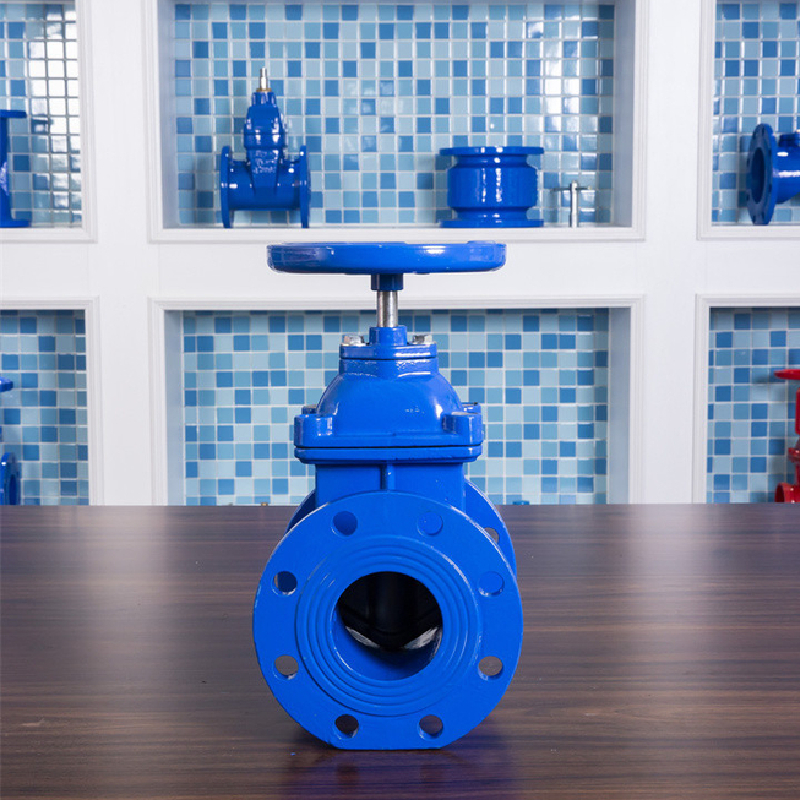
Vertical Y strainer efficient way to filter particles from fluid flow.
Vertical Y strainers are essential components in piping systems that are designed to remove unwanted
 English